About
16 Years Inside Restaurants. Now I Fix the Systems.
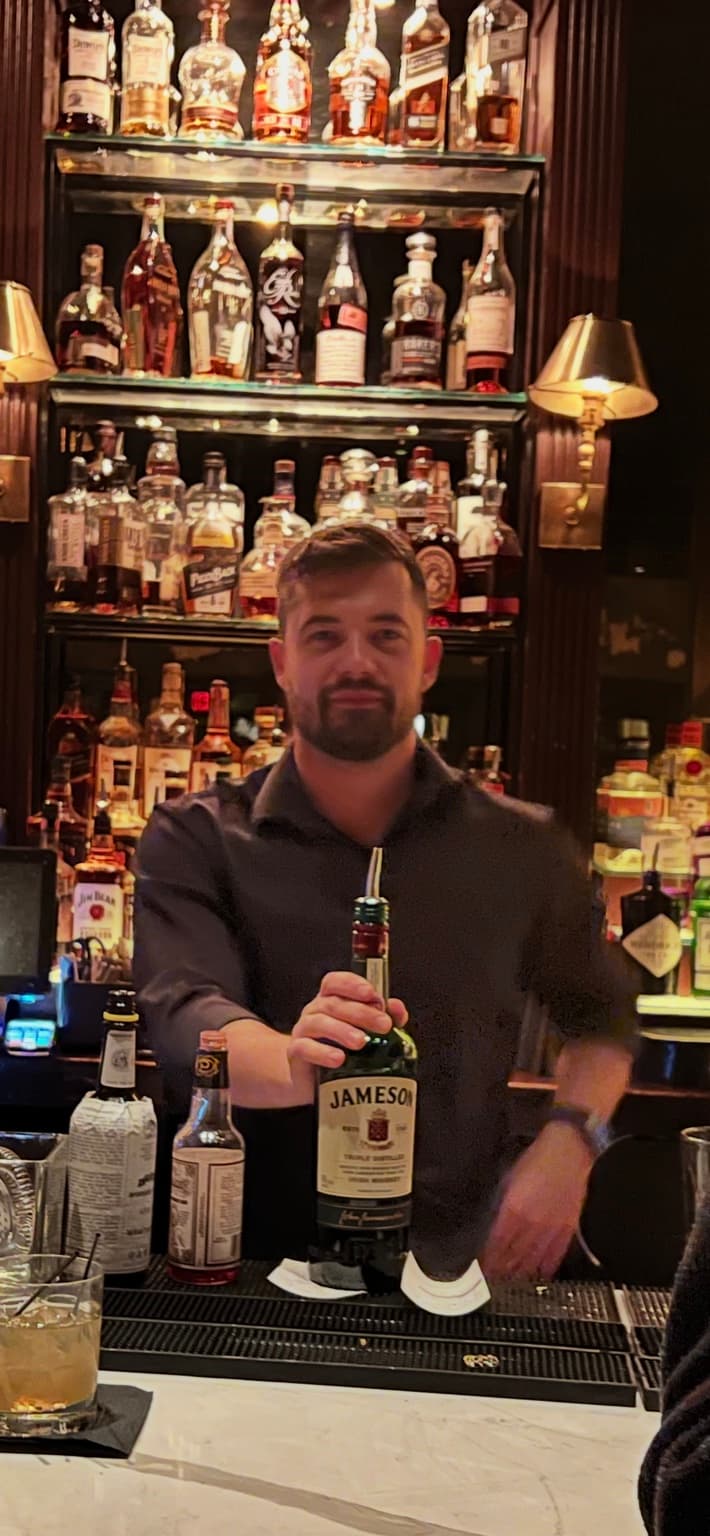
Thomas Sapienza
Restaurant Operations Systems Consultant · Boston
I spent 16 years in restaurants and hospitality. Started as a busboy and dishwasher. Worked every station: host, prep cook, line cook, barback. Bartended for 14 years across high-volume and craft-focused bars. I didn’t study operations from a textbook. I learned them on a Friday night with a full rail and a short staff.
That experience spanned multiple hospitality formats — neighborhood bars, Irish pubs, nightlife, high-volume restaurants like Stephanie’s on Newbury, private clubs, and hotel bar operations at The Lenox. Each environment ran differently, but the problems were the same: workflow that broke under pressure, training that didn’t transfer, and standards that depended on whoever was working.
Alongside hospitality, I built a parallel track in scientific operations — working as a process development scientist in a cGMP environment. That’s where I learned to write the kind of precise, repeatable, durable documentation that most restaurants never get. I bring that rigor to every checklist, SOP, and training system I build.
Now I do this full-time for restaurant and bar operators. I come into the operation, spot the friction, and leave behind the systems that fix it: checklists, training roadmaps, shift guides, manager handoff logs, SOPs. The practical tools that make a restaurant run the same way whether you’re in the building or not.
I don’t build bloated consultant deliverables. I build one-page tools people can use during a real shift.
Want to talk about your restaurant? Start the conversation
Experience
The Long Way Around — And Why It Matters
Every Station in the Building
Busboy. Dishwasher. Host. Prep cook. Line cook. Barback. I learned how a restaurant works by doing every job nobody wants to do — and understanding why each one matters when it's done right.
14 Years Behind the Bar
Neighborhood bars, Irish pubs, nightlife, high-volume restaurants like Stephanie's on Newbury, private clubs, and hotel bar operations at The Lenox. Every format runs differently, but the problems are the same: workflow that breaks under pressure, training that doesn't transfer, standards that depend on whoever's working.
Process Development & Scientific Operations
Worked in process development in a cGMP environment — building documentation systems, writing technical reports, mapping workflows, and designing processes that had to be precise, repeatable, and auditable. This is where I learned to write the kind of clear, durable systems I now build for restaurants.
Sapienza Systems
Now I bring both backgrounds together — restaurant operations instinct plus documentation rigor — to help Boston restaurants and bars build the systems that make standards portable and execution consistent.
My Approach
How I Work
No decks. No discovery phases that last six weeks. I look at the operation, find the problems, and build the fix.
Watch a Real Shift
Not the version in the handbook — the version that happens on a Tuesday night when you're short-staffed. I look for where people improvise, repeat themselves, or work around something broken.
Name the Actual Problem
Slow service isn't a people problem — it's a bar setup problem. High turnover isn't a culture problem — it's a training problem. I find the root cause and call it what it is.
Build the Fix
A one-page checklist. A shift guide. An onboarding doc. A manager handoff log. Whatever the operation actually needs — written clearly enough that someone can use it on day one.
Make Sure It Sticks
Documentation that sits in a Google Drive folder isn't a system. I help teams put the tools into practice and adjust until they hold under real conditions.
Projects
When I See a Problem, I Build the Fix
HouseList came from the same pattern I saw in restaurants for years: regulars matter, but most teams have no reliable way to recognize who is in the room, what they prefer, or what action would bring them back. It’s a live shift-intelligence pilot for guest recognition, verified visits, private feedback, and staff follow-through.
See HouseList →Bartender Trainer came from 14 years behind the bar and watching training systems that stopped after week one. It’s a tool for reinforcing drink knowledge and service consistency through active recall — the kind of thing I wished existed when I was training new bartenders.
Both reflect how I think about work: find the friction, build something practical, ship it.
Let's Talk About Your Operation
I work with restaurants, bars, and hospitality groups in Boston. Tell me what's not working and I'll tell you what I'd do about it.